
By Teigue Payne
An explosion of energy over a few years which saw the creation of 22 iconic redbrick and stone Trappist mission stations in southern KwaZulu-Natal is the theme of a cycle tour through this beautiful part of South Africa.
In 1835 British traders founded Durban on the site of Port Natal. A few years later, Piet Retief stood on the Drakensberg mountains and looked over the many hills to the East – and resolved to settle his faction of the Great Trek there.
Life would never be the same again for the approximately 100,000 Nguni people who lived there (today’s population of KwaZulu-Natal is about 11 million).
On the other hand, life was not that stable before the arrival of the whites (or, as Moshoeshoe called them, “the skinless ones”). In KwaZulu, Shaka had continuously expanded his empire until his death at the hands of his half-brothers in 1828. His campaigns were – like his family life – decidedly not peaceful; nor were the chaos and warfare of the long Difaqane (1815-1840).
Meanwhile, in far-off Austria, Wendolin Pfanner was born in 1825 to a prosperous farming family. He was a sickly child who nonetheless thrived at school and showed an increasing fervour for the (Catholic) church. He was ordained a minister at 25, but he opted to join a Trappist monastery to prepare his soul for his expected early death.
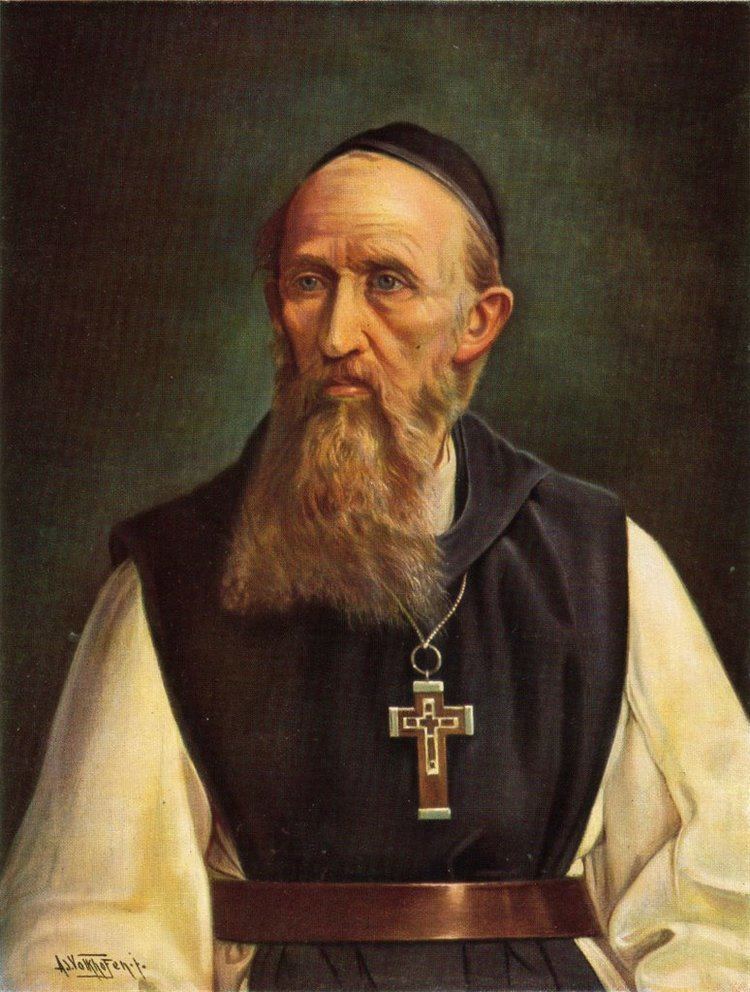
But in fact his health improved hugely under the Trappist regime of hard work, silence and vegetarian food.
However, his natural energy and effectiveness eventually turned out to be not so well-suited to Trappist life.
The Trappists were, in essence, a reform order within the monastic segment of the Catholic Church. The earlier monastic orders – the Benedictines and the Cistercians – had become corrupted by their own success, giving rise to the stereotype of the fat abbot. The hard labour, obedience and dedication of monks had inadvertently proved to be a killer app for monastery affluence through the ages, including the “Dark Ages”.
In response to this, the founder of the Trappist order, Armand Jean le Bouthillier de Rancé, a former wealthy Cistercian abbott, had in the 1660s written hundreds of rules for the spartan life of his new order at La Trappe, France. His intention was to eliminate all discretion/decisions so that monks would concentrate on prayer and work (“Ora et Labora”). Deregulation this was not.
Trappist monks were meant to create a self-sufficient, prayerful world for themselves; they were not meant to proselytise or missionise.
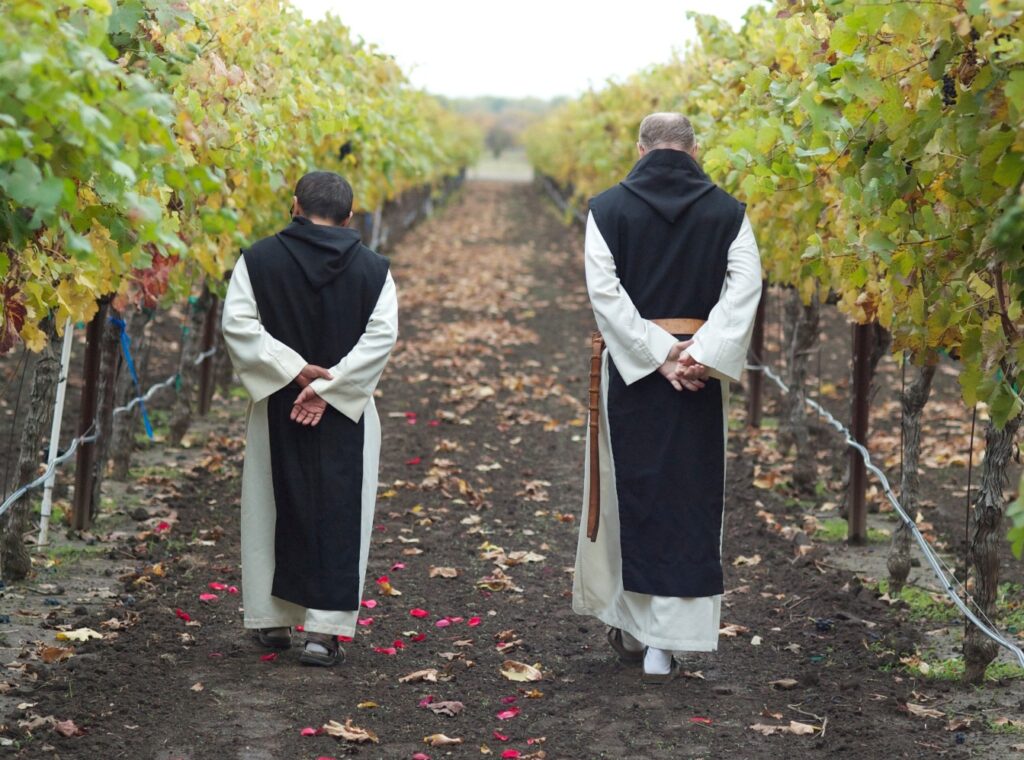
But missionising was exactly the burning desire of the energetic Abbott Franz/Francis, as Wendolin Pfanner was renamed.
When an English abbott addressed a convocation of European abbots about setting up a monastery in the Eastern Cape, Africa, he was met with silence – except from Abbott Franz who famously piped up: “If no one will go, then I will.”
Offer accepted, Pfanner and some of his monks from Bosnia (then part of the Austrian Empire), who he also “volunteered”, soon found themselves establishing a monastery in the Sundays River valley. Things did not go well and a few years later Pfanner jumped ship with his followers to start a monastery in Natal Colony. It was one of the first of a series of headstrong actions distinctly unaligned to the Trappist way.
It is sometimes alleged that the colonists and the missionaries worked together in Africa – that the missionaries taught the people to pray, and while the Africans’ eyes were closed the colonists stole their land.
This was not the case with Pfanner. He received a number of requests from African chiefs and other luminaries to set up schools – and by his extension, churches and missions.
Initially the outreach and proselytising activities of his mutant Trappist monks made little impression on the patriarchy of Zulu society, who had their own well-developed spiritual structure.
But eventually breakthroughs were made. This was often because fathers wanted their children to learn how to read “the flies on the paper” (as one chief described writing). This resulted in the little ones becoming converted, followed by their mothers, and eventually their reluctant fathers.
There was stiff competition among different Christian churches, but Catholicism was relatively successful possibly because it included considerable “intercession” between humans and God (particularly by Our Lady, Mary). This may have been digestible as close to the “intercession” of the ancestors with the distant creator in indigenous religions.
One of the first chiefs to ask for schools to be established in his area east of Underberg, was Chief Sayedwa. Pfanner seized on the invitation. Soon a school, church, mill and a burgeoning farm were in place.
But there was a problem: the new Reichenau mission was three days’ horseback ride from the Trappists’original monastery at Mariannhill near Pinetown, and one of De Rancé’s rules was that monks had to have “stability” – they had to sleep every night under the consecrated roof of their monastery.
No problem, Pfanner ordered the construction of other monasteries a day’s ride apart in the direction of Reichenau, and rationalised that monks sleeping over at would be under the roof of Mariannhill.
There followed more requests for schools, more purchases of land, and more construction in various directions from Mariannhill.
Kort voor lank, as they say, 22 stations had been built. These educated and ministered to a good proportion of the population of Natal Colony. Inter alia, many of today’s politicians gained their grounding at these mission stations.
But Pfanner was increasingly out on a limb with the knobs in the Trappist order in Europe. He issued his own edicts – the first since those of De Rancé – to allow for the many, expanding activities of the missions. Eventually, in 1891, nine years after he had started in the Natal Colony, he was suspended from the order.
Initially he was “exiled” at one of the mission stations (Lourdes, named after the famous town in France, south of today’s Creighton). But the Trappist authorities had not considered that Lourdes had a post office with telegram facilities. Pfanner used these to maximum effect to continue organising and promoting his cause. He had always been an excellent marketer, using the most modern methods, which meant he attracted no end of donations and assistance.
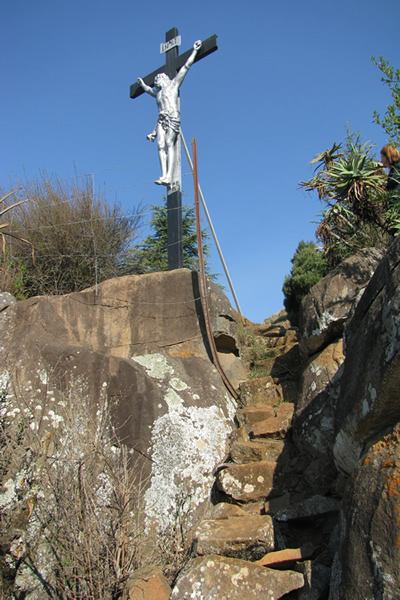
Busted again, he was banished to an empty area near today’s Umzimkulu town. Undeterred again, he constructed a thriving mission station which he named Emaus, possibly partly in reference to himself as a mouse in hiding. Among other things, he also constructed 14 stations-of-the-cross on the hill behind the station, which he walked every morning.
In 1909, a few months before Pfanner‘s death, the then-pope, Pius X, approved the ending of his Trappist order in South Africa. Pfanner‘s order became the Congregation of the Missionaries of Mariannhill (CMM), an order which has since spread across the world.
Pfanner awaits canonisation as a saint, for which, according to Catholic Church rules, proof of at least two miracles after his death are needed. Are 22 mission stations, in half that number of years, not miracles enough
110 YEARS LATER, WE RIDE IT …
Fast-forward 110 years and a Spekboom cycle and hiking tour company observes and contemplates the remarkable history of Pfanner and his mutant Trappist monks – and takes in the beauties of southern KwaZulu-Natal whilst on a bicycle.
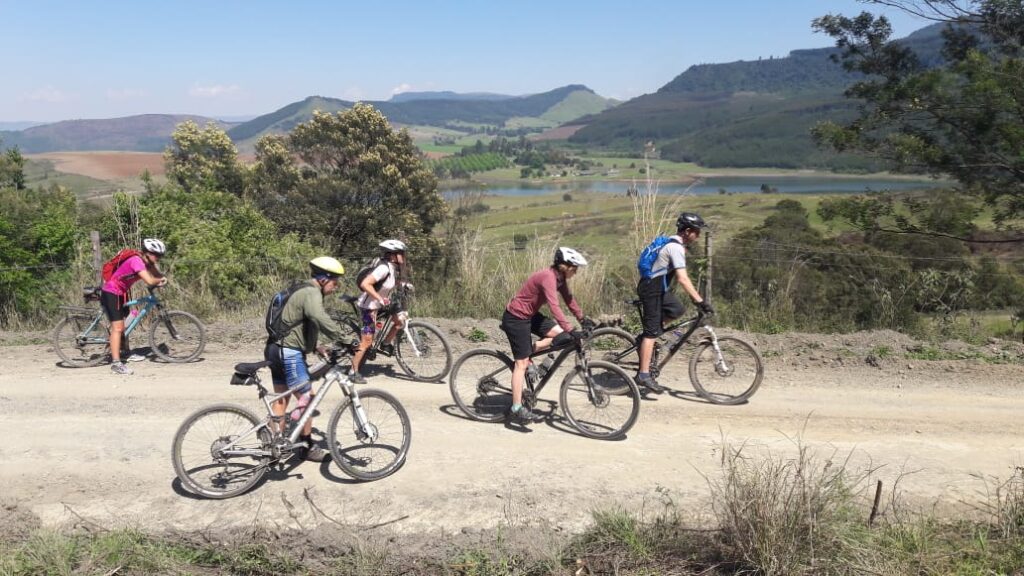
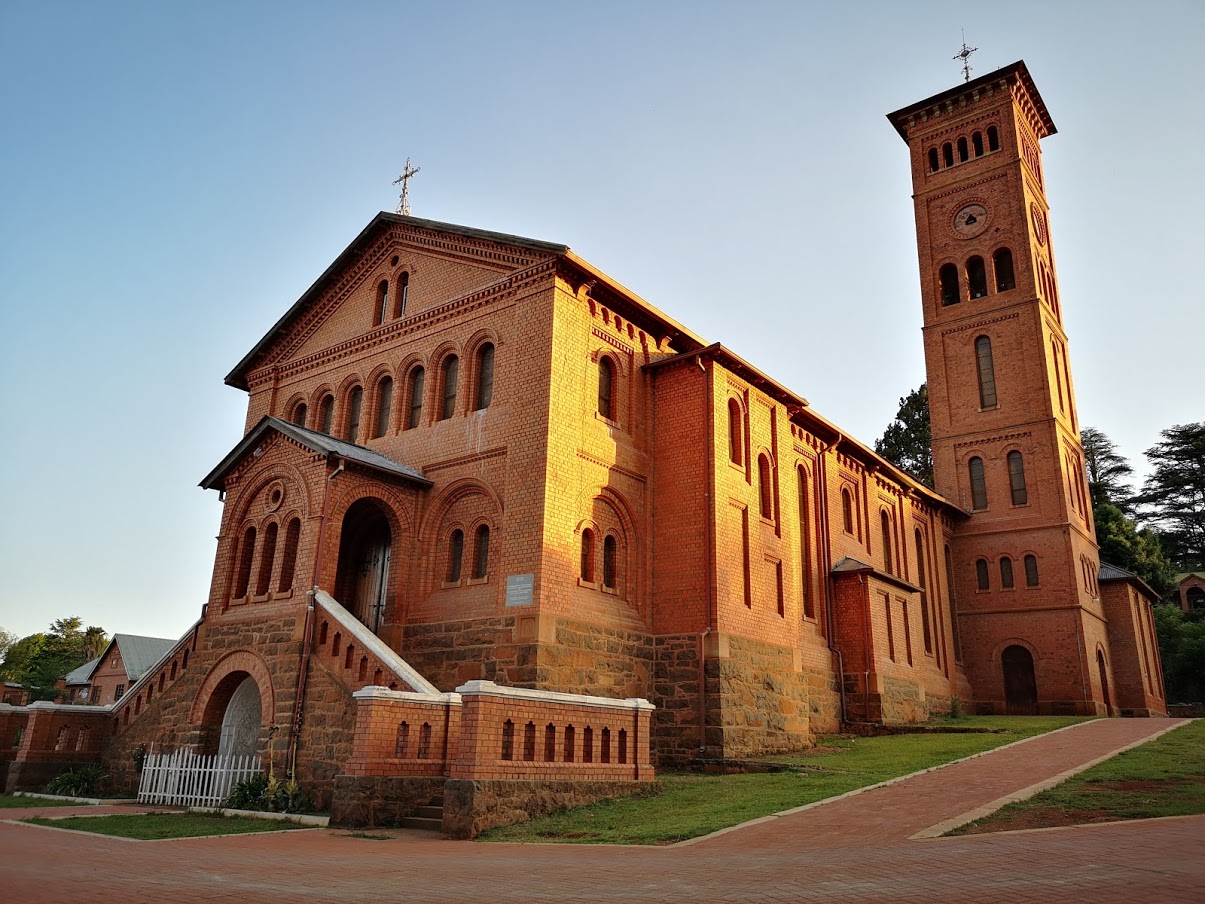
Reichenau mission, 18km east of Underberg, is our first stop – as it was Pfanner first big mission project beyond Mariannhill, and his first big transgression as a Trappist.
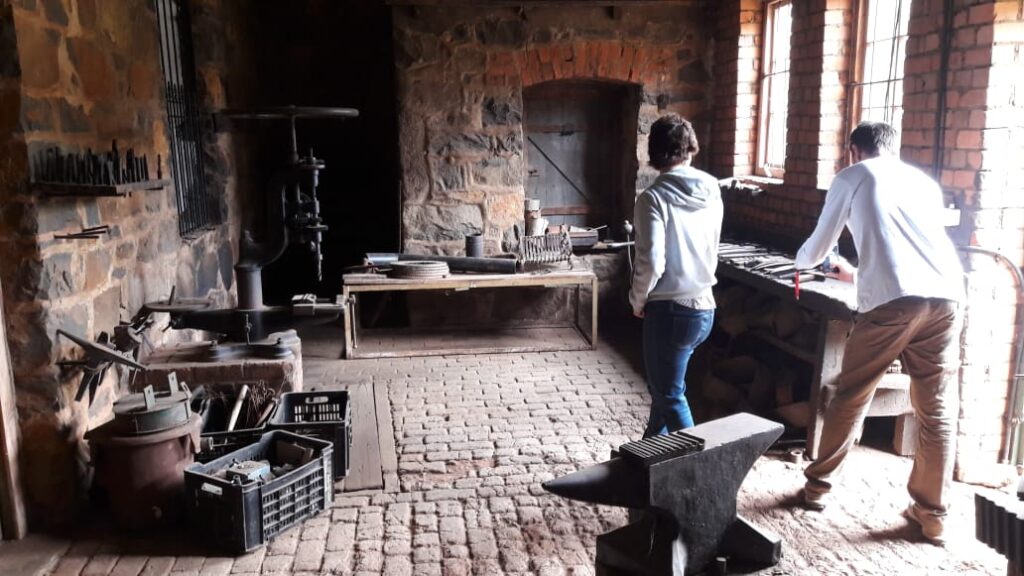
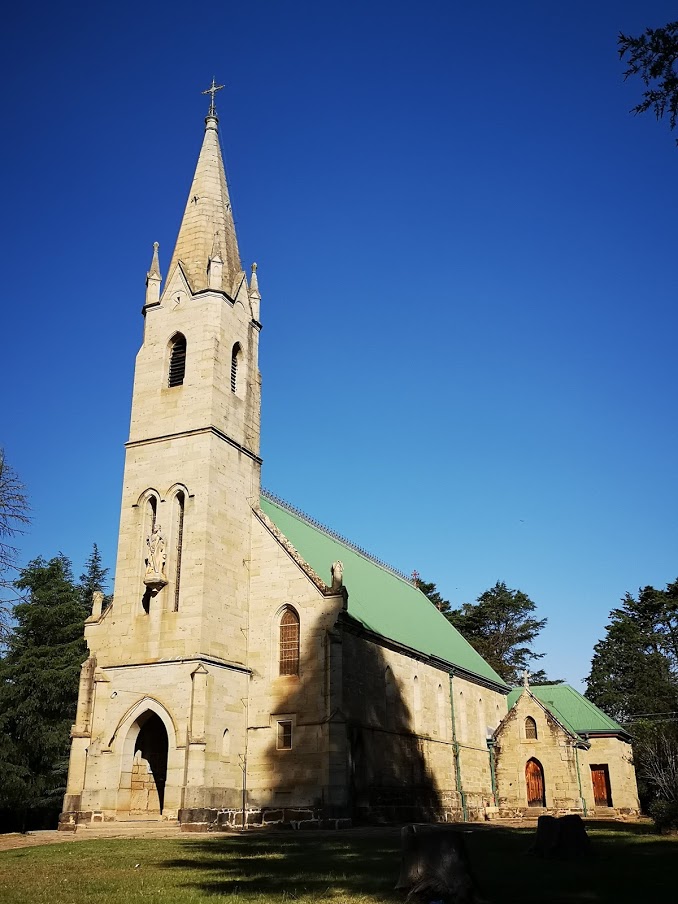
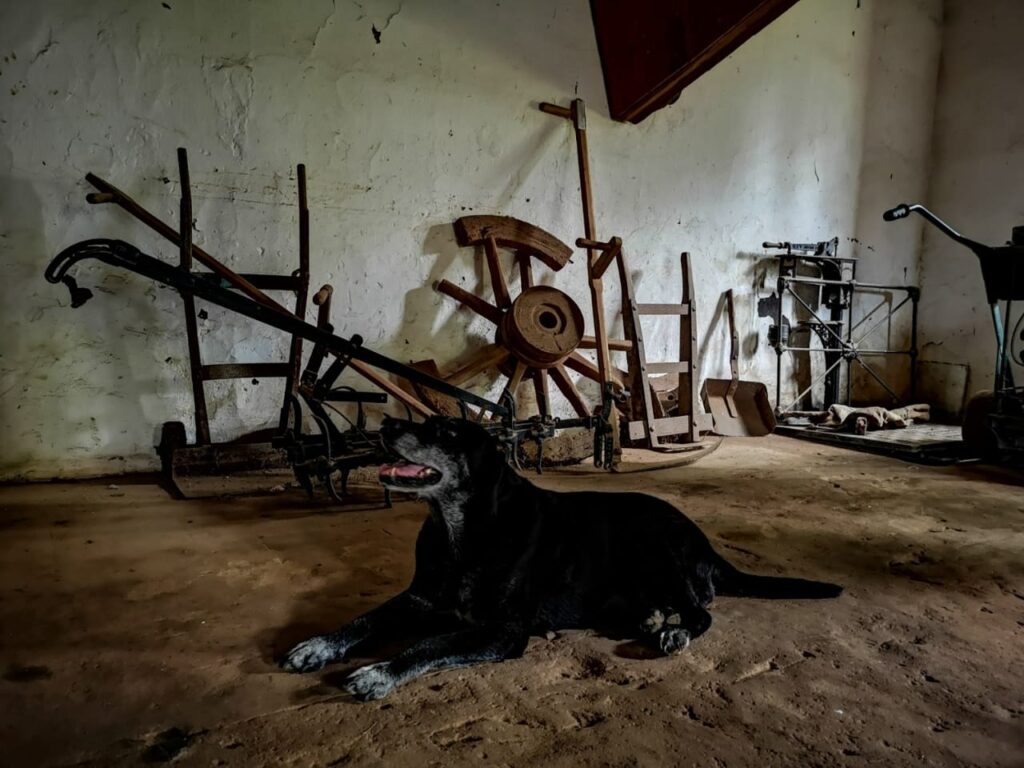
It still has a functioning school and a beautiful church. It also has a remarkable wheat and maize mill driven by a water turbine. The Trappists’ imperative for self-sufficiency led them to build technically-advanced mills, generally powered by water, at many of their missions.
From there we ride down, losing 900m in altitude, to Myddleton farm, near Creighton, in one of the great, green valleys in the extended mist belt of KwaZulu-Natal.
That afternoon, we visit another monastery, Kevlaer, near Donnybrook. Every church has a different style and flavour; this one for instance, is less ornate than Reichenau but has outside its portals a Grecian maiden with water babes around a beautiful fountain.
We ride back to the farm through planted and indigenous forests, with more expansive views of the valley.
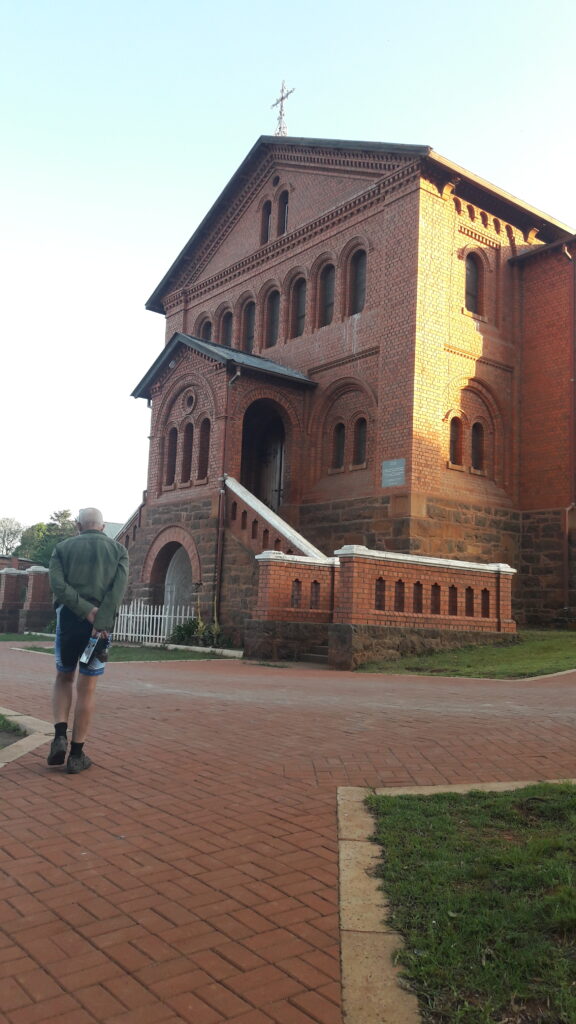
Next day we take forestry backroads for 20km to Centacow, on the banks of the upper Umzimkulu river. Centacow was built later than Reichenau and became a much bigger mission because the monks built a large hospital there
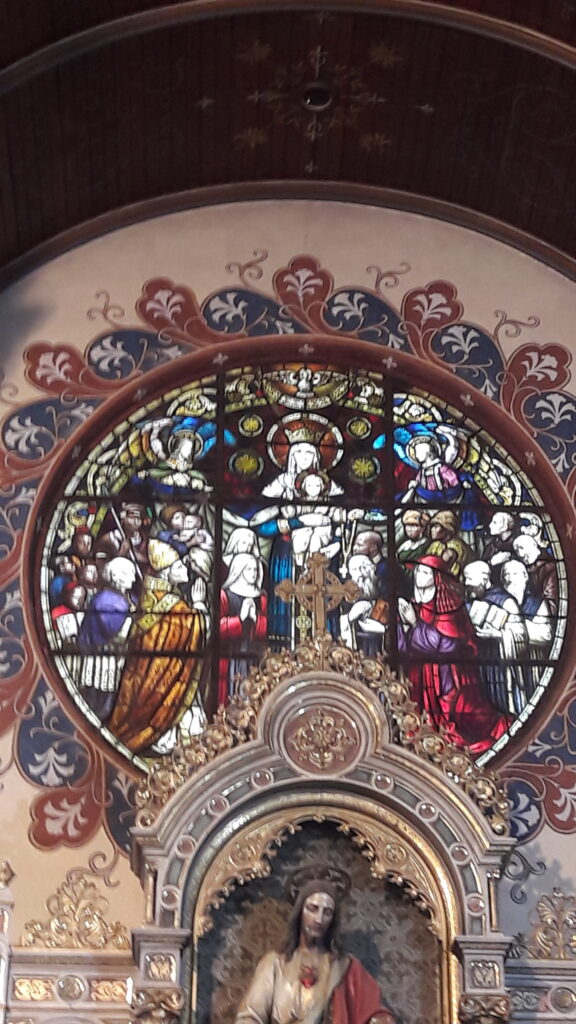
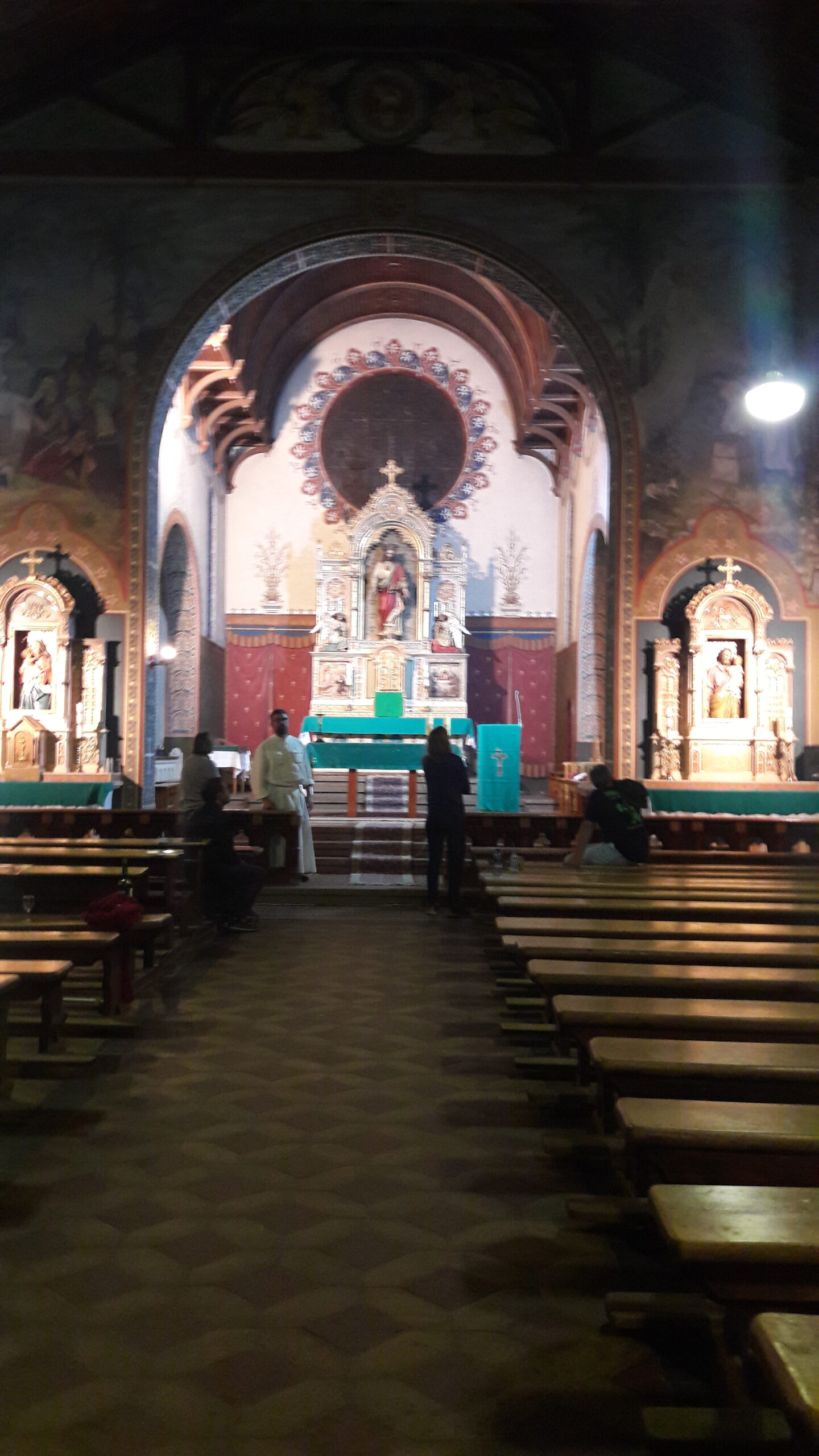
We are generously accommodated by the Polish monks who now run the mission. Some speak Zulu better than English. They explain the intricacies of the icons in the magnificent current Centacow church, which was built to celebrate the separation from the Trappist order. It has considerable emphasis on the Black Madonna, also known as the Queen of Poland.
The original Black Madonna picture was said to have been painted by the apostle Paul, and to have resulted in many miracles at the Jasna Gora Monastery in Poland; a replica was brought to Centacow by two Polish priests in 1991.
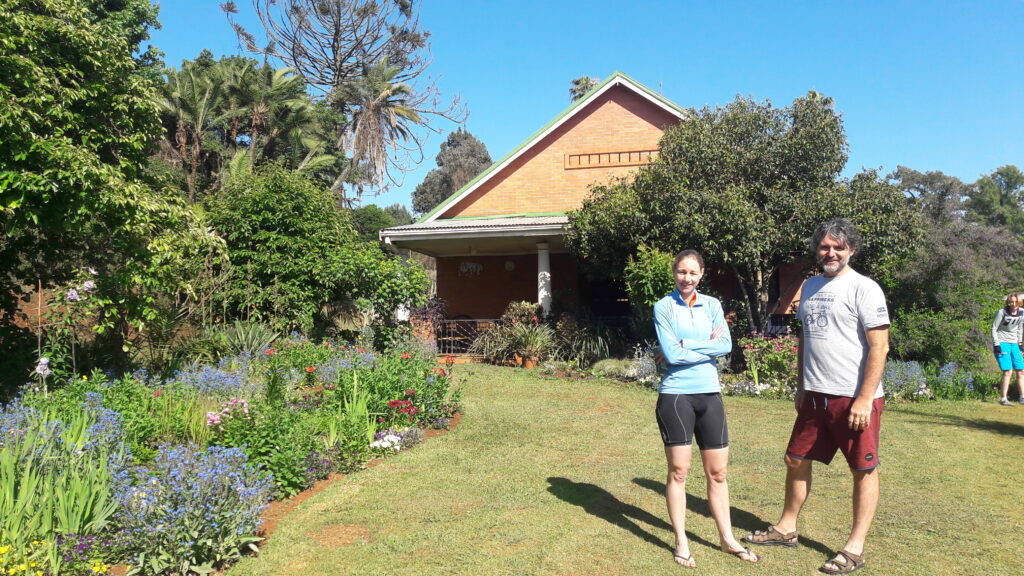
The Centacow monks feed us well and we luxuriate in their garden of flowers, many brought from Poland. Monks are also human, and they obviously pine for home.
The original church built at Centacow in 1892 has been converted into a museum of the area and a gallery for the art of now-renowned Gerald Bhengu, who particularly excelled in portraying the original rural culture of the people.
Born in the area in 1910, from an early age Bhengu would draw on every surface he could find. He was a poor scholar, but a school inspector and later a doctor recognised his artistic talent and encouraged him. For a while it seemed he would be recognised as a major artist, but he died in poverty. A familiar story.
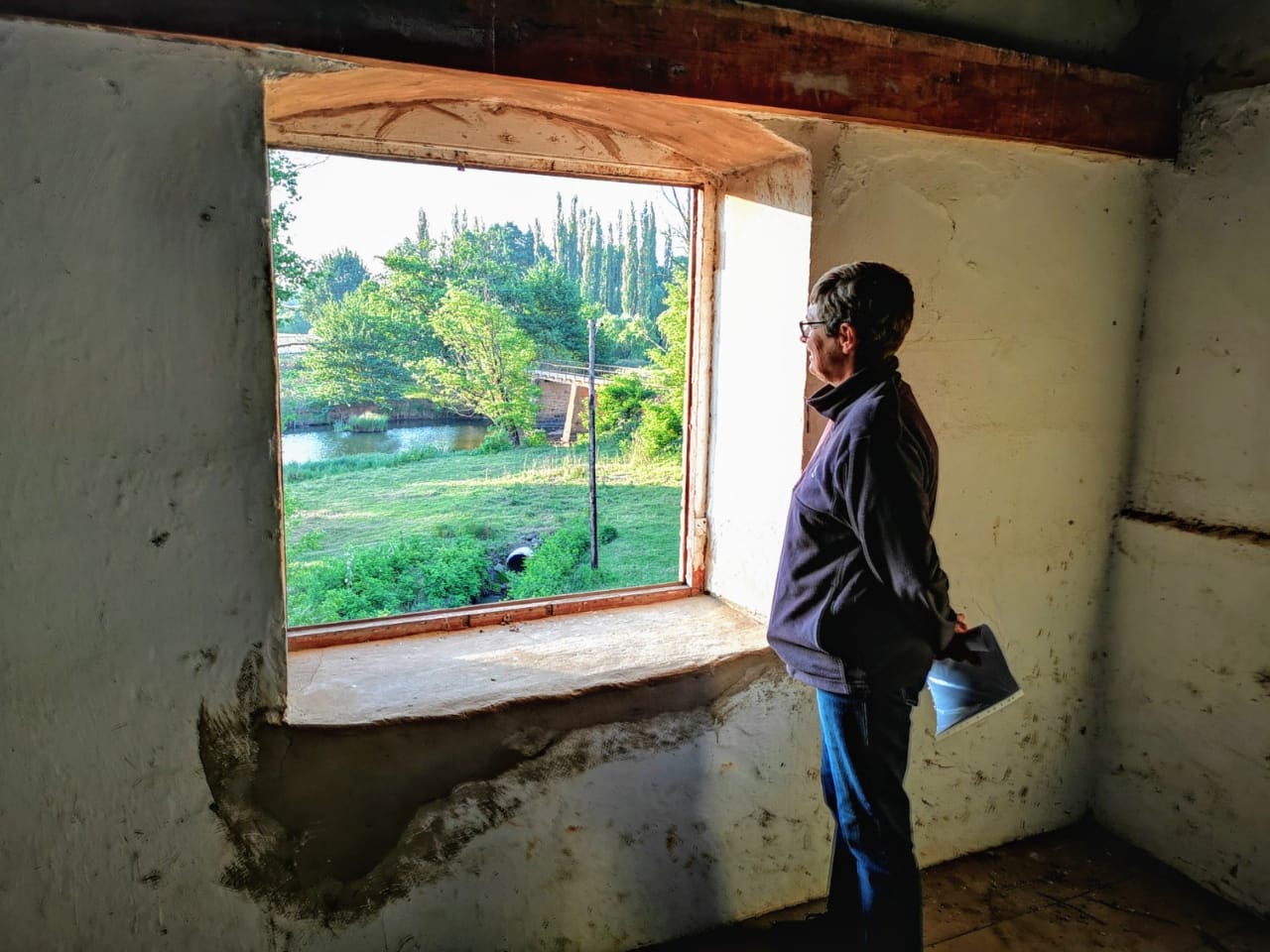
Next day cycle ride which is increasingly dry, in the shadow of the Ntsikeni mountains. This is an area of microclimates. It is also the home of the Bhaca people, fugitives of the then-expanding Zulu nation.
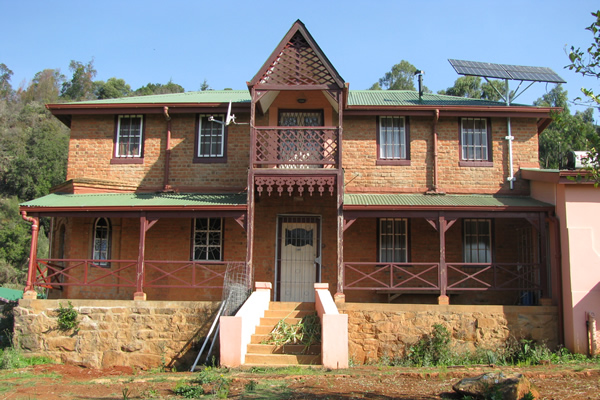
We cycle onto Lourdes, situated in a fertile valley, where we are entertained to tea by the nuns of the revived mission there. Then we cycle on to Emaus, Pfanner’s final home and our next night stop.
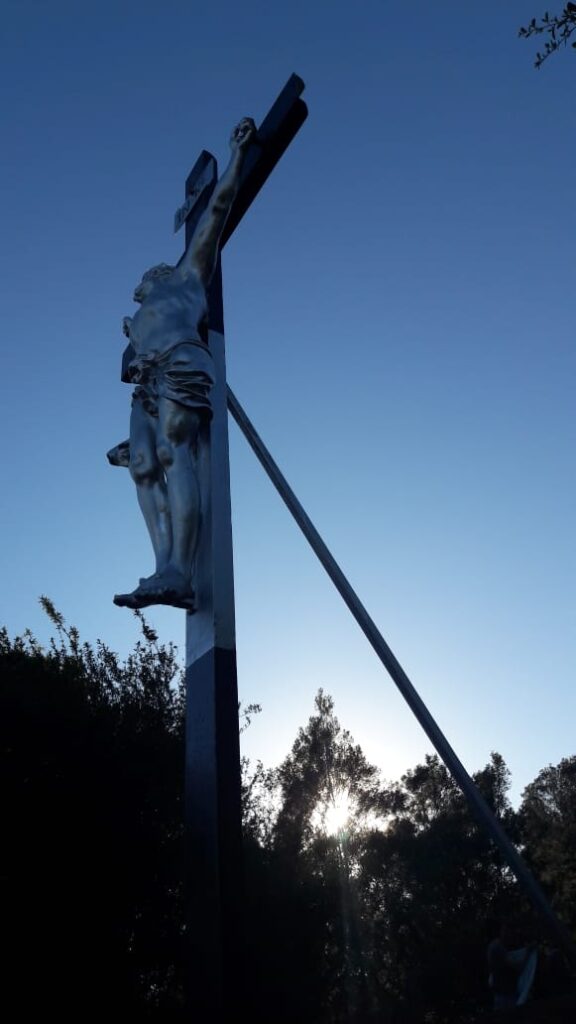
As Pfenner used to do, early the next morning we walk the 14 stations of the cross he created on the mountain behind the mission. The stations depict points on Christ’s travail on the day of crucifixion. None of us is a believer, but it is a moving experience
From Emaus we whizz down the new, empty tar road to Umzimkulu town. And from there on through rolling hills, some of them steep, to the King’s Grant guesthouse near Ixopo, for our final night’s stop.
Kings Grant was a mission station which was sold to the current private owners and has been developed as a delightful oasis of gardens, nature, birds and history.
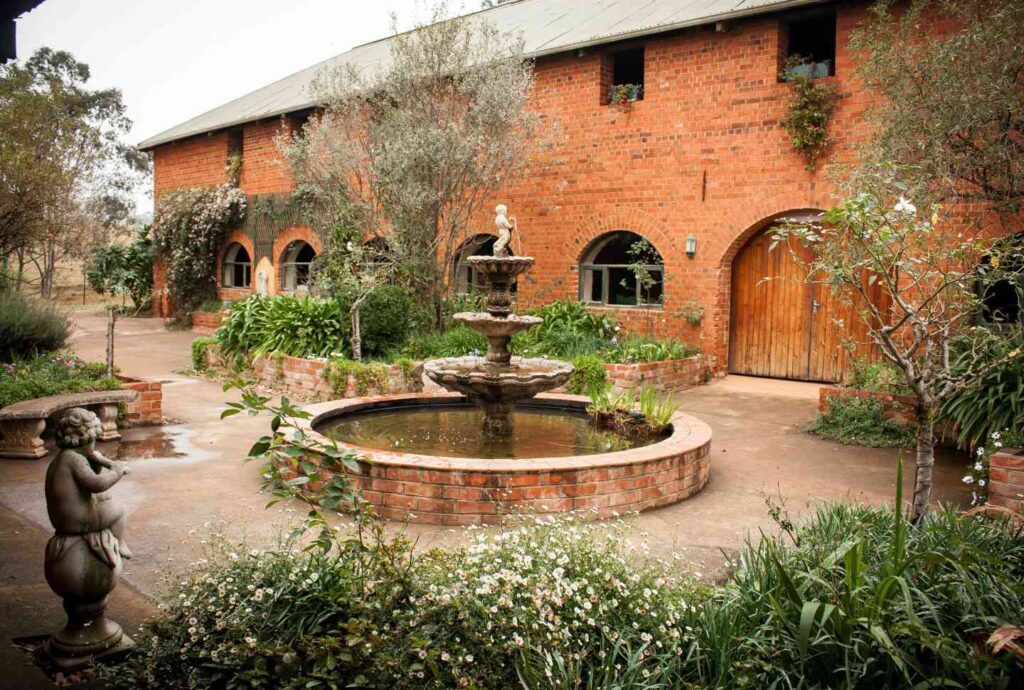
The monasteries we have visited have been spartan. Kings Grant still has the elements of a monastery (another impressive watermill, for instance), but it also has luxurious food and rooms to suit abbots not of the Trappist order.
Spekboom Tours no longer runs trappist monastery tours but will gladly assist for groups larger than 7 people.