
Words: Veruska De Vita
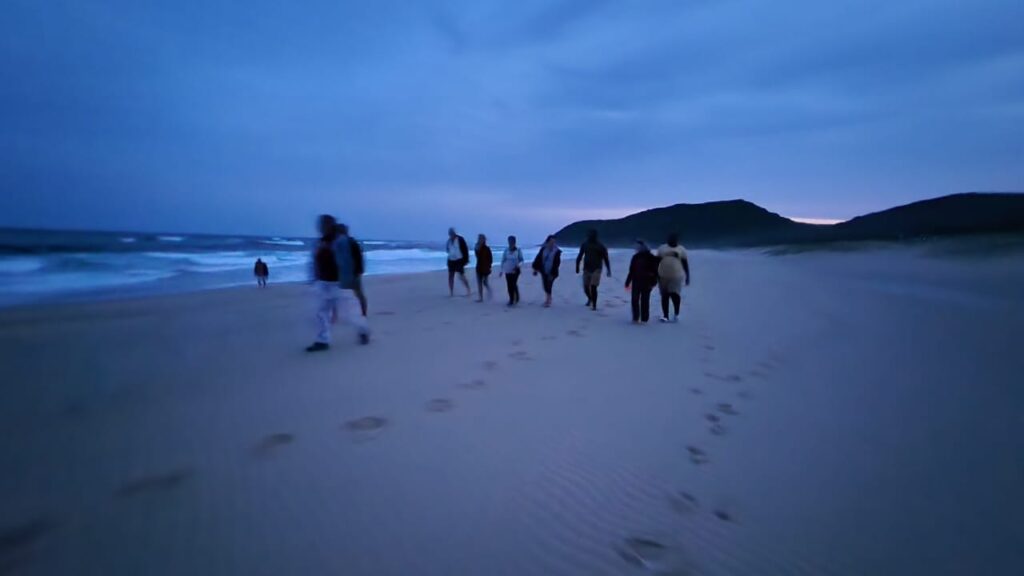
It is night, the sky a velvet cloak of forever stars. An almost full moon ripens and makes the sand glisten. Our torches are off as the moon sheds an even light across the beach and lengthens our shadows. Waves break in white froth like wild horses pounding.
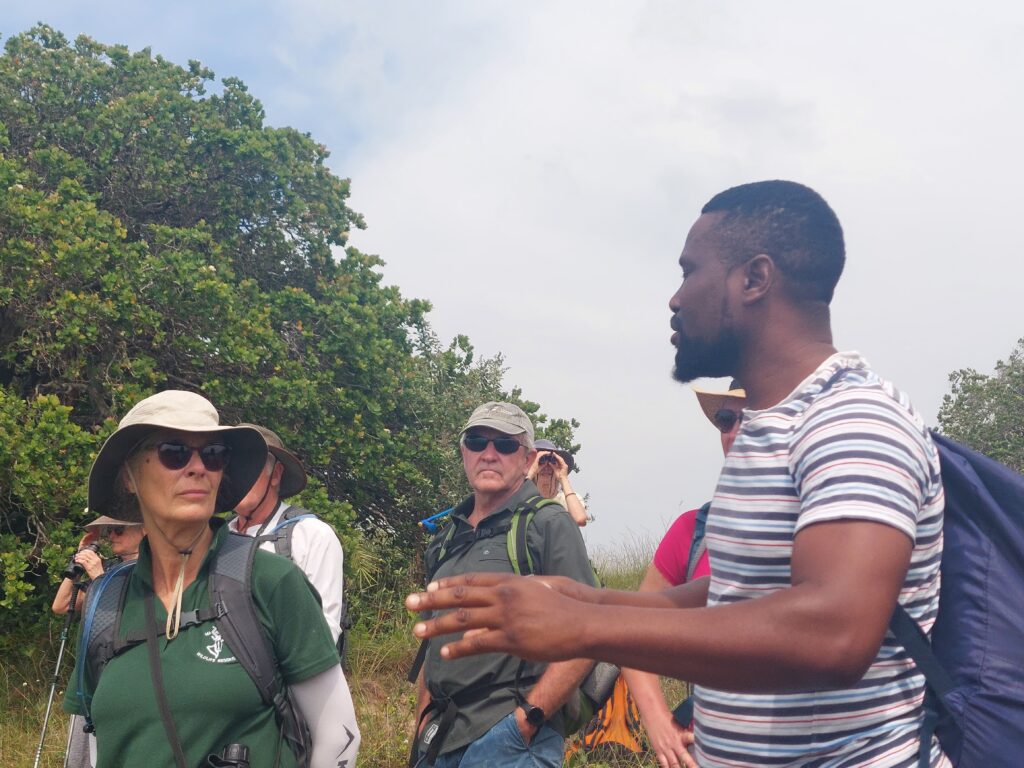
I’m barefoot on a beach in Kosi Bay, the northern most part of KwaZulu-Natal bordering Mozambique, with a group of walkers and a guide searching for signs of newly-hatched turtles. In hushed voices we walk and chat, hyper aware of our pristine Kosi Bay surroundings. I kick up the sand and marvel at the bioluminescent phytoplankton flashing in blues and greens like sparklers on a birthday cake.
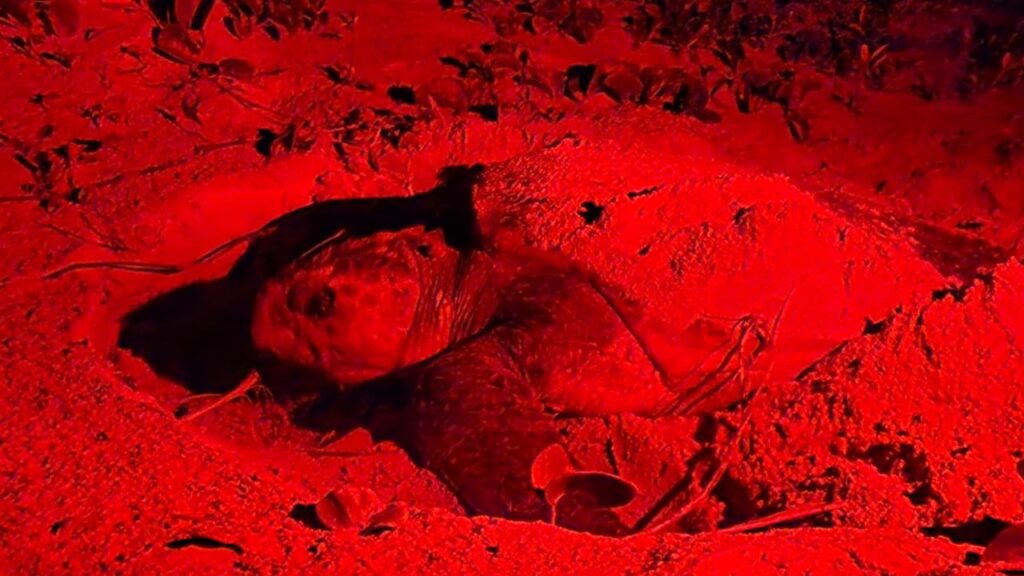
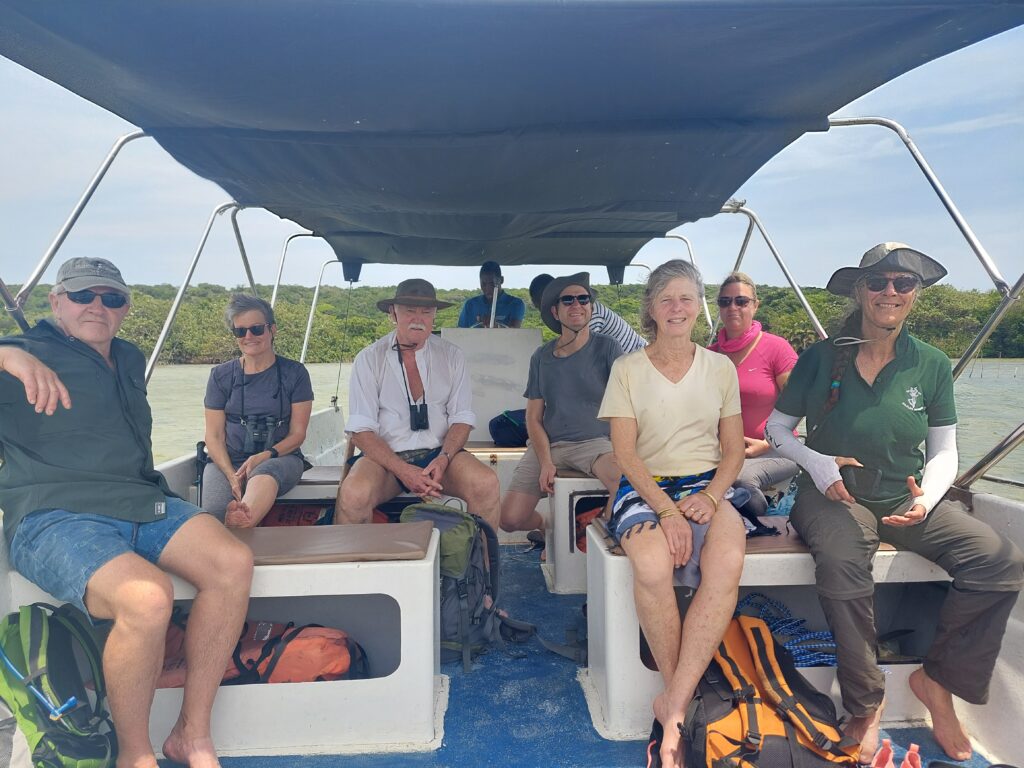
We’re on a five day walking tour of the area that will take us through coastal forest, across lakes and over beaches. It is also turtle season when loggerhead and leatherback baby turtles hatch and make their way to the ocean near Bhanga Nek. Each year between November and early March, female turtles make their way back to their native beach to nest.
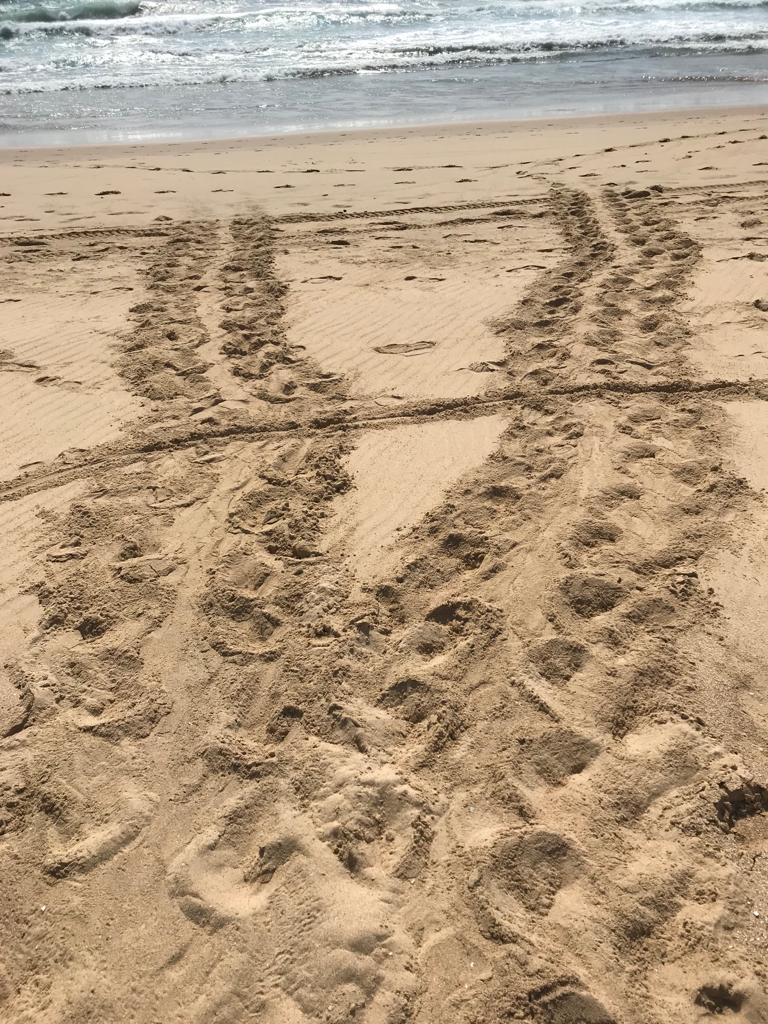
We are all hoping to spot something and then we see them: tiny tyre-like tracks on the sand where turtles have crawled to the water. A few steps ahead our guide Patrick kneels down and points his torch, on the infrared setting, to something.
It’s a loggerhead turtle that has broken through its shell and climbed out of its sandy nest. Crabs, hundreds of them, scurry around the turtle trying to nip a piece of flesh. It is survival of the fittest, the strongest, and the biggest in numbers. “The crabs already got to it,” Patrick says in a resigned voice. “Look how slowly it’s moving.”
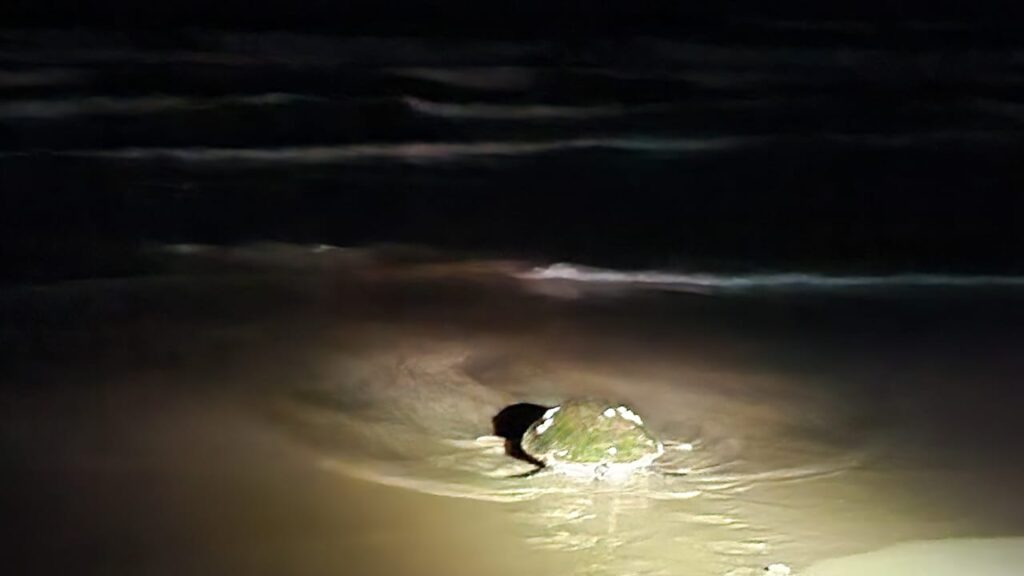
We are all rooting for the turtle, willing it to reach the water, but midway it halts, its throat throbbing quickly with the effort of breathing. We move away and let it be, in the knowledge that out of five hundred eggs perhaps only two survive to become fully grown.
Further along the Bhanga Nek beach we encounter two feisty loggerhead turtles, the size of a child’s hand, making a beeline for the ocean. Our spirits renewed we watch, silent and awestruck, as their clumsy movements on the sand turn to the most graceful of swimming in the water where they disappear into the waves.
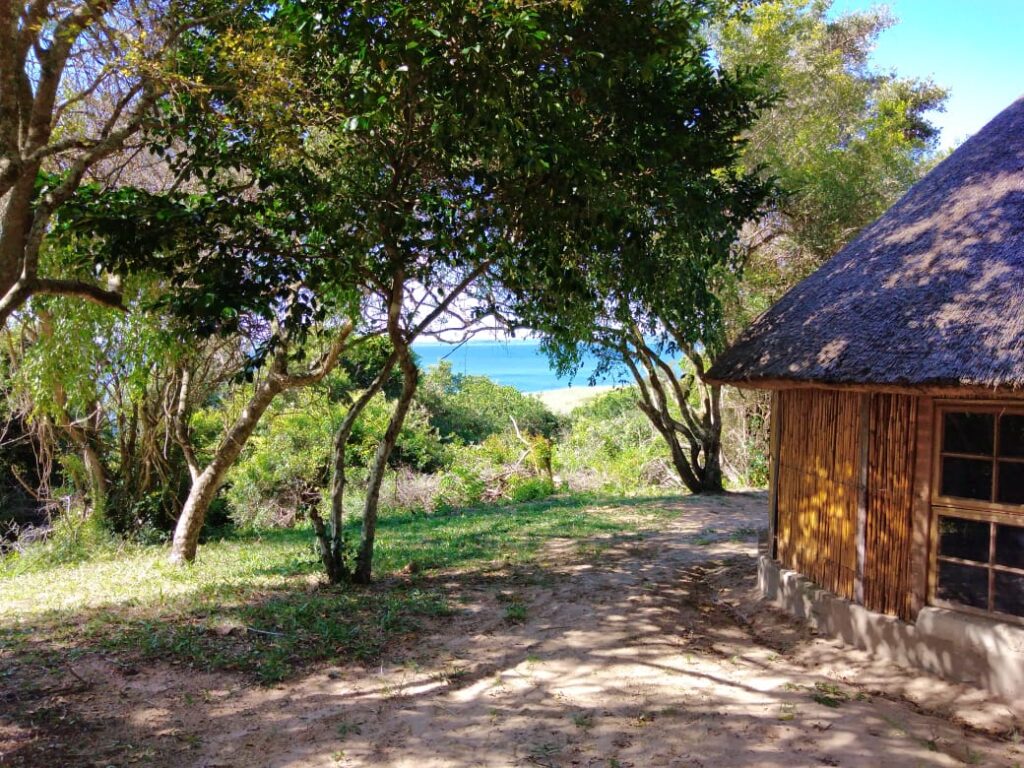
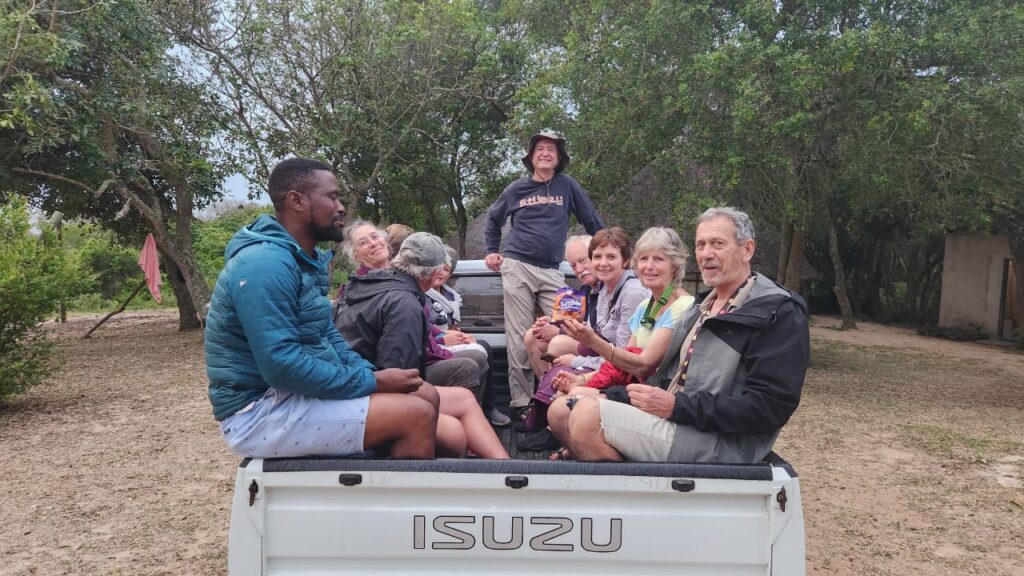
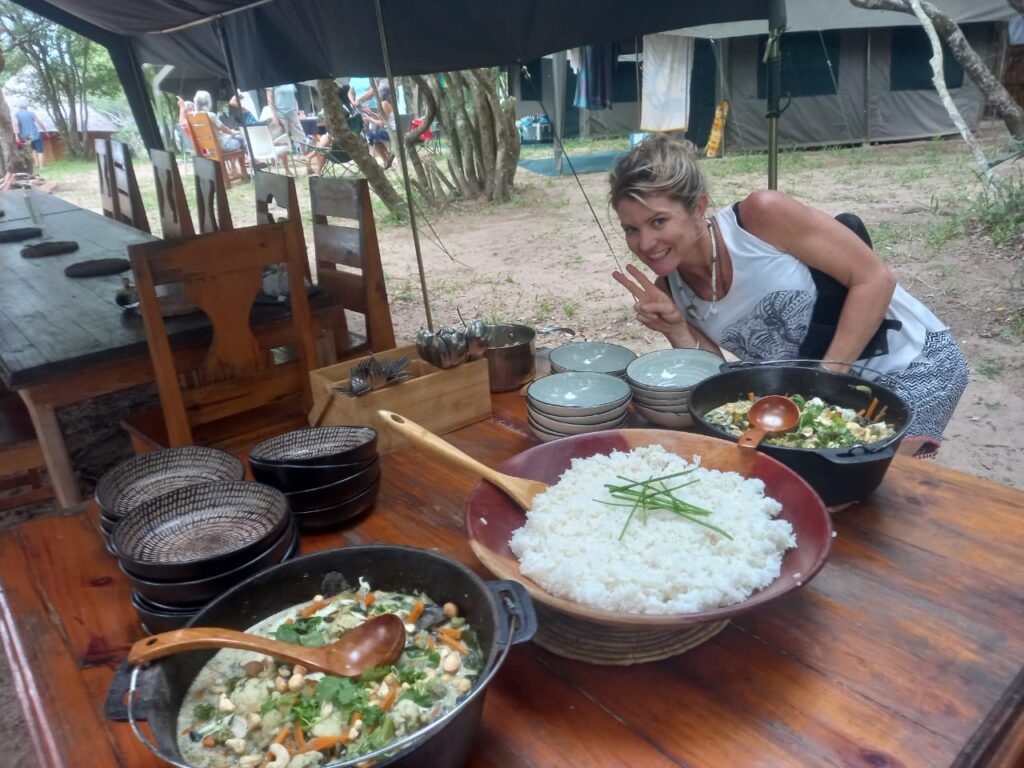
Back where we started, we put on our flipflops and retrace our steps into the lush Bhanga Nek forest alive with night sounds and clamber onto the back of a bakkie. Holding tight and looking up at the canopy of trees we head back to Amangwane Camp, our base for the trip. At the camp we commune around the crackling fire, drinks in hand, smiling and chatting about the immense gift of having witnessed part of a turtle’s lifecycle. It starts to rain and, untangling ourselves from conversations, we make our way to our rooms at our Kosi bay accommodation, which are spartan, comfortable and en suite.
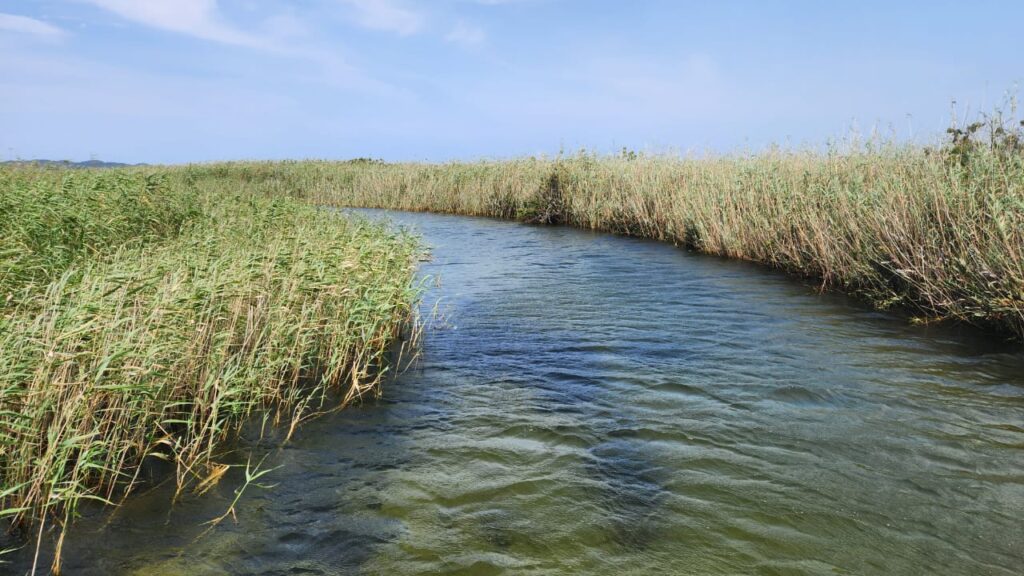
The next morning we sling daypacks over shoulders and begin our walk through the Bhanga Nek forest. Kosi Bay is part of the isiMangaliso National Park which was declared a World heritage Site in 1999 because of its high biodiversity and kosi bay mouth aquarium . The area is unique for its string of four lakes connected by meandering channels fringed by wetlands and dune forests. The ecosystem is home to an array of endemic birds and animals. It is also one of the few areas where the Raffia Palm grows, which in turn attracts large numbers of Palm Nut Vultures.
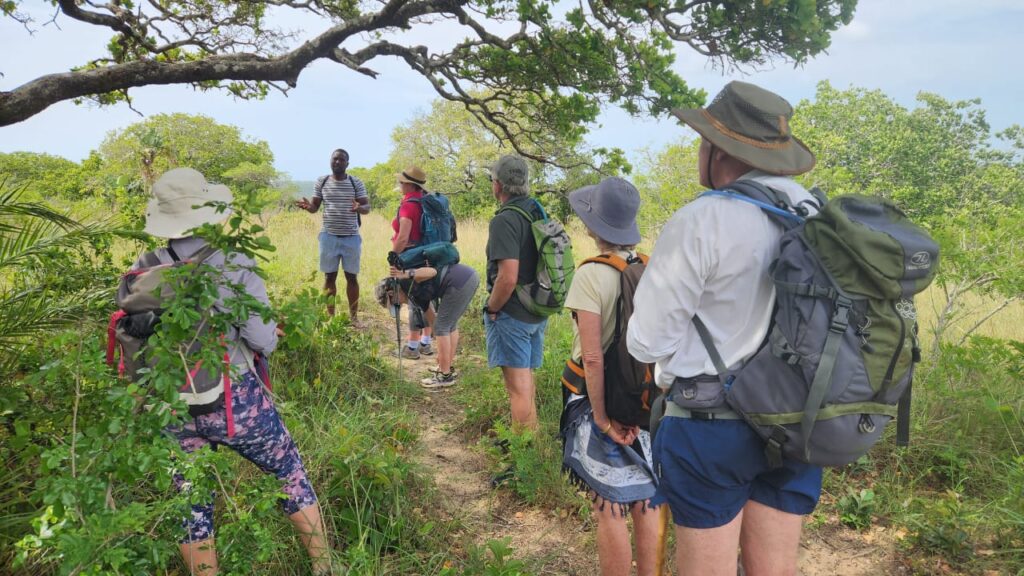
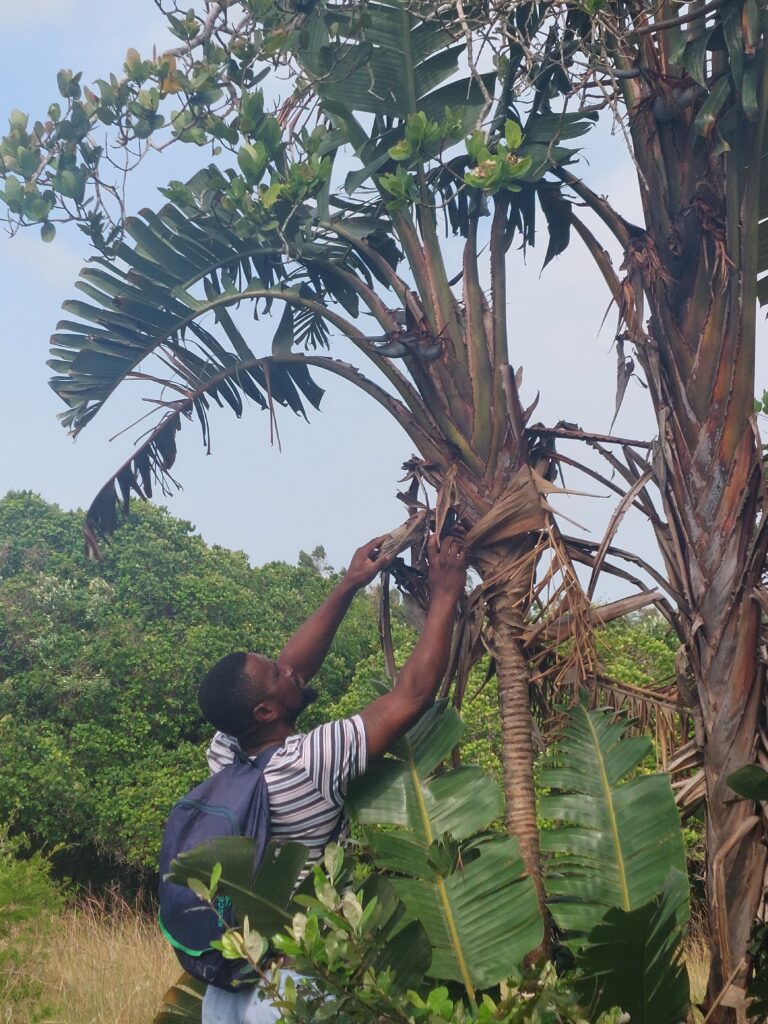
As the sun traces a blazing path across the sky we walk in the shade of hibiscus trees, wild figs, Albizia and Strelitzia until we reach the water’s edge.
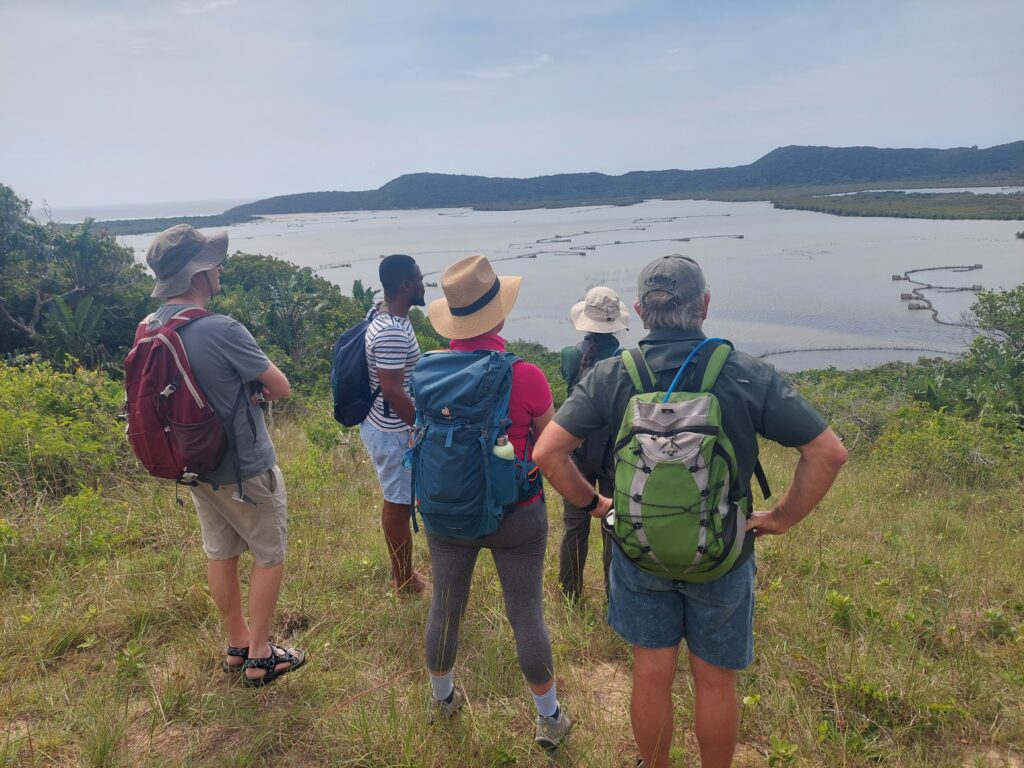
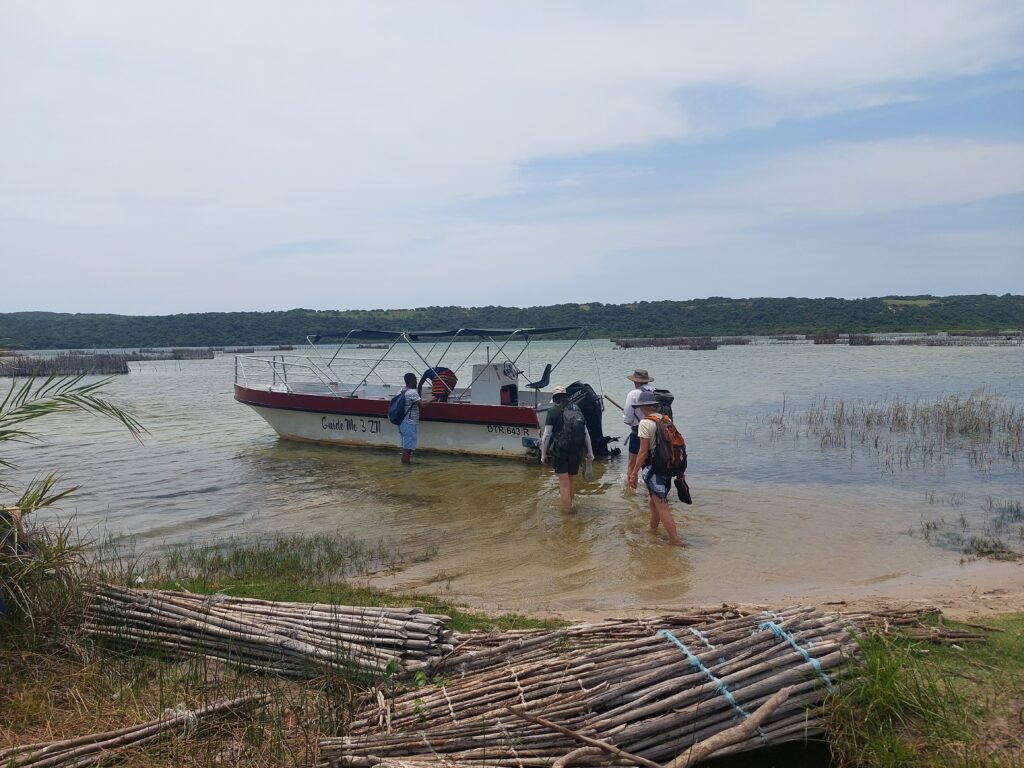
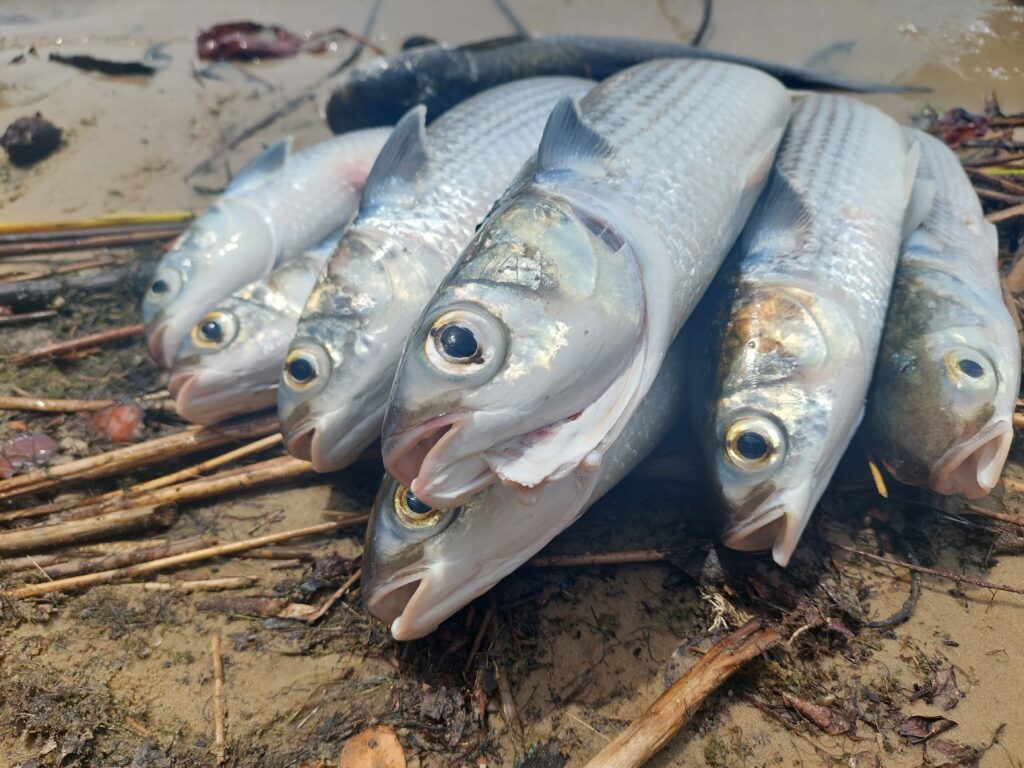
I take off shoes and roll up trousers and then wade into a vast circular Kosi Bay lake, my toes squelching in the silky mud. The water is deliciously cool. I stop to photograph a fish trap made the same way today as they were seven centuries ago. For the Tsonga who live here, fish traps are a generational tradition. There is a series of them in the 3 Kosi Bay lakes and thigh-deep I make my way to the closest one.
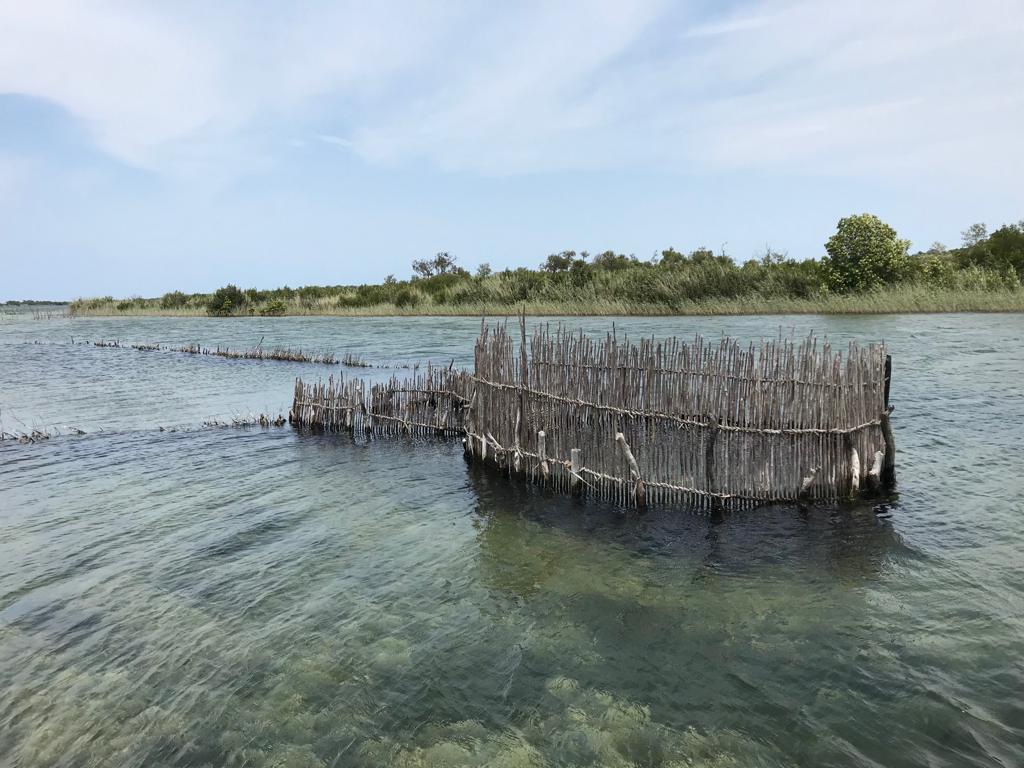
Made of sticks that have been pushed into the lakebed and woven together with rope made from the surrounding vegetation, the trap looks like a palisade kraal. It curves like a comma, guiding the fish inside towards a smaller trap. It is easy for fish to swim in, but difficult for them to swim out. However, smaller fish manage to wriggle away between the sticks, a design that ensures the sustainability of fish stock. Even so, fish numbers in the lakes and estuary have diminished substantially.
I wade towards a fisherman and ask him how often comes to the lake to check. “Every three to five days, but there aren’t as many fish as before,” he says as he repairs a section of his fish trap, pushing a stick deep into the mud and lacing a length of palm leaf around it.
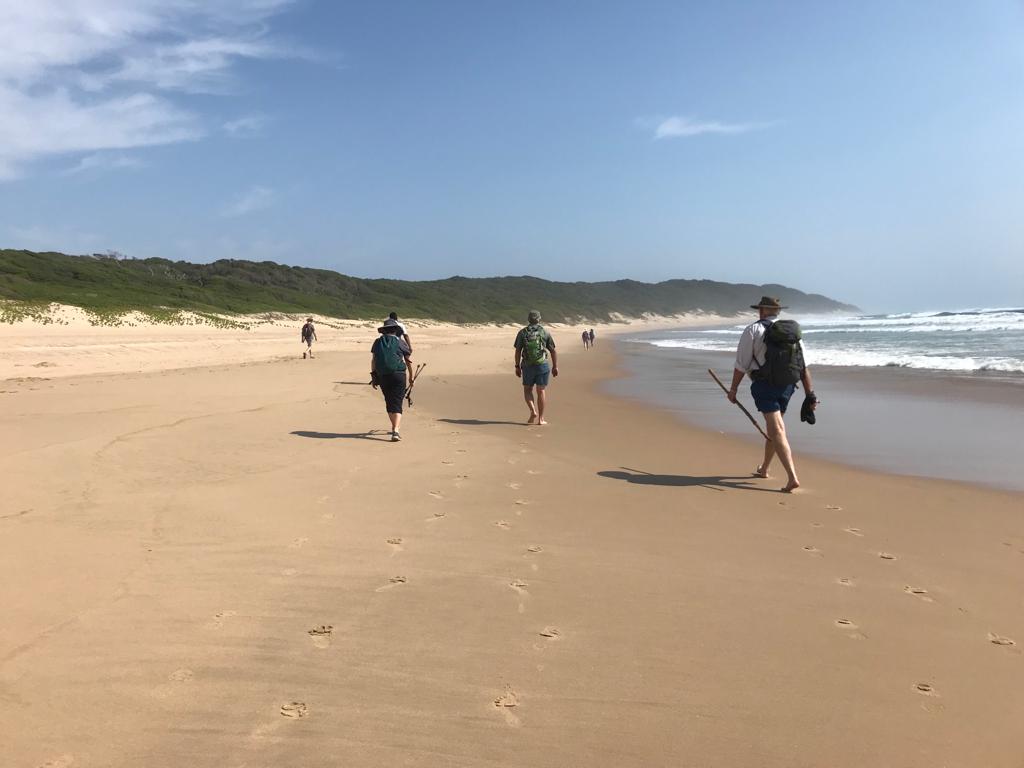
We continue our hike through another section of coastal kosi forest until we find ourselves on the same beach where the previous night we had watched baby turtles make their way to water. We spot a fully grown leatherback turtle in the waves; it is at least two metres long and probably weighs five hundred kilograms. We watch in awe, grabbing every moment, and then it’s gone.
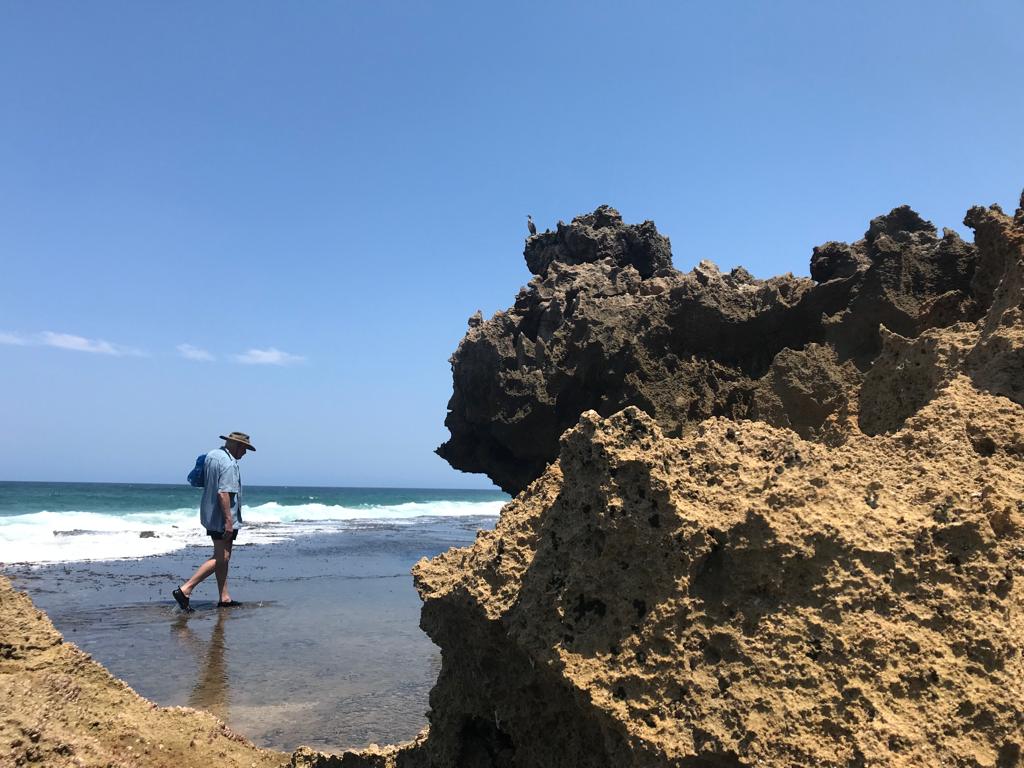
In the afternoon we arrive at Kosi estuary aquarium mouth where the Indian Ocean mixes with sweet water from the Kosi lake system. The estuary is known as the aquarium as it is teeming with tropical fish. With snorkel and mask I dive down to explore the rocks where eels, lionfish, masked bannerfish and other species frolic. I swim across to the sand bank and trundle to the next channel of water where waist deep I slowly make my way to the beach.
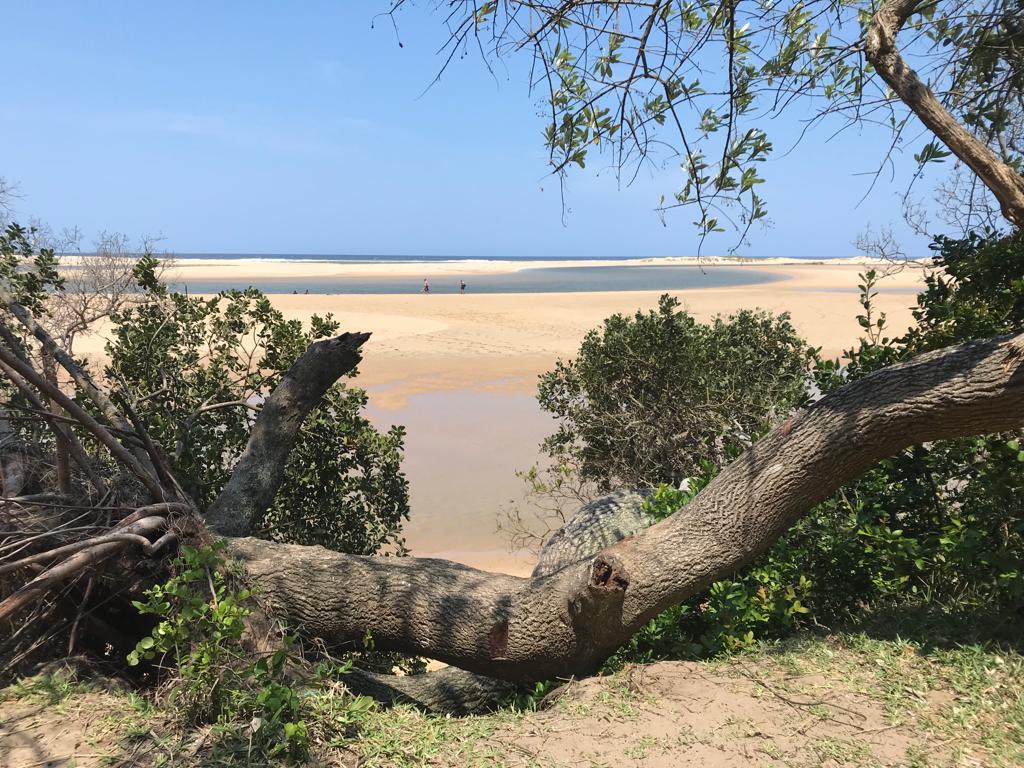
Saturated with the pristine colours, smells and sounds of this paradise we wallow in the striped shade of palm trees. We rest awhile, hungry, thirsty, but loving where we are at.
Spekboom Tours offers bespoke walking and annual turtle tracking slackpacks for individuals wishing to join a group. There are still 12 places left for next year’s 2025 turtle tour .